In Sport
Stay with the task you trained for when nerves or discomfort rise.
You know how you want to show up. Then pressure hits, and you snap, shut down, or lose focus. After a while, that reaction can feel like “just who I am.” It doesn’t have to define you. Through private breath coaching, learn to recognize it sooner and respond in a way you can stand behind.

When a Reaction Becomes Familiar
A reaction can become familiar to you, and to the people around you. After a while, “that is how I responded” can turn into “that is the kind of person I am.”
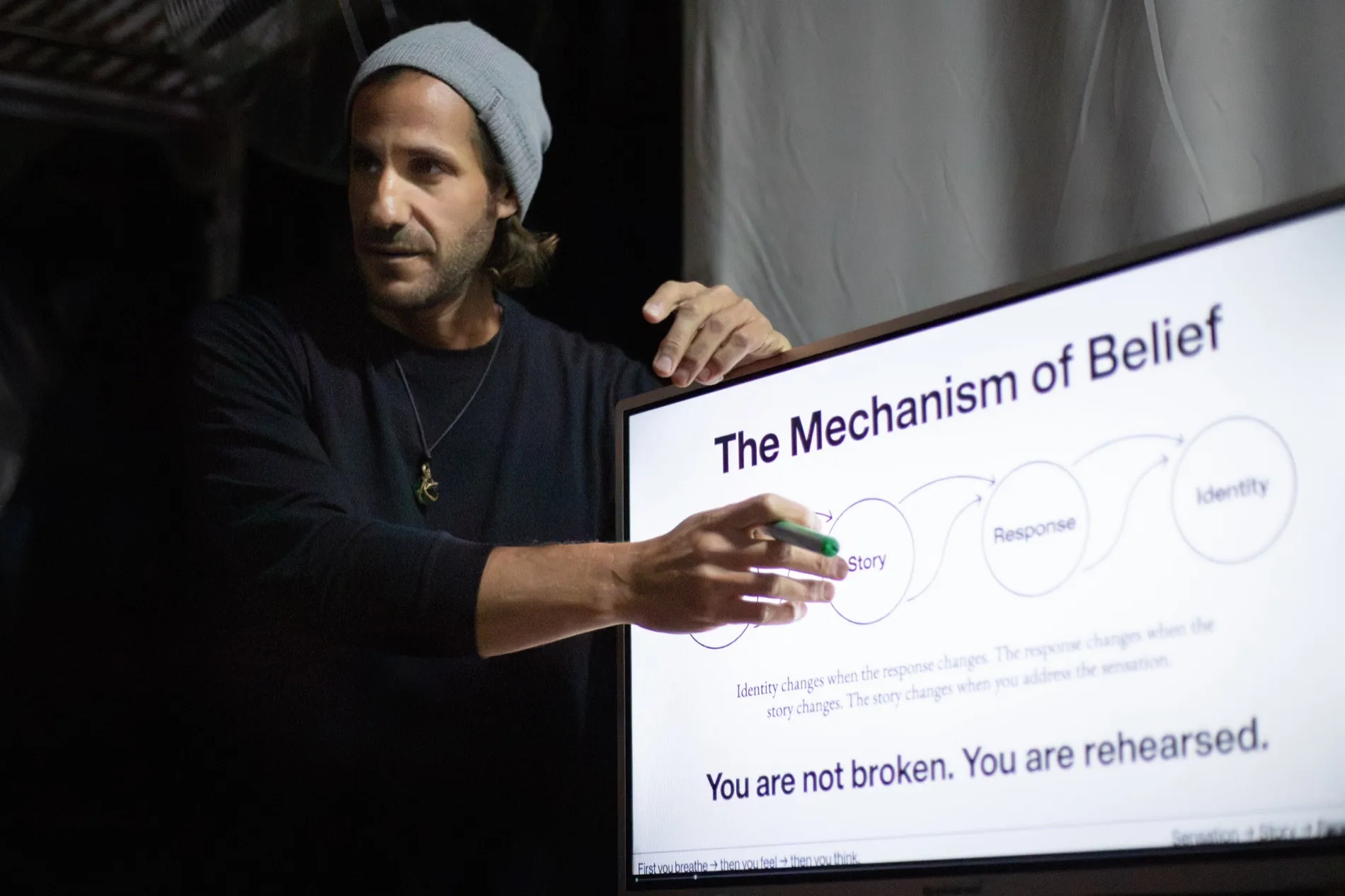
That response has been rehearsed. It is not who you are. Breath, tension, emotion, and thought can shape what happens before you act. Learning to recognize that pattern gives you a place to begin working with it.
You do not have to stop feeling something to have more choice in what you do next.
Ask About Coaching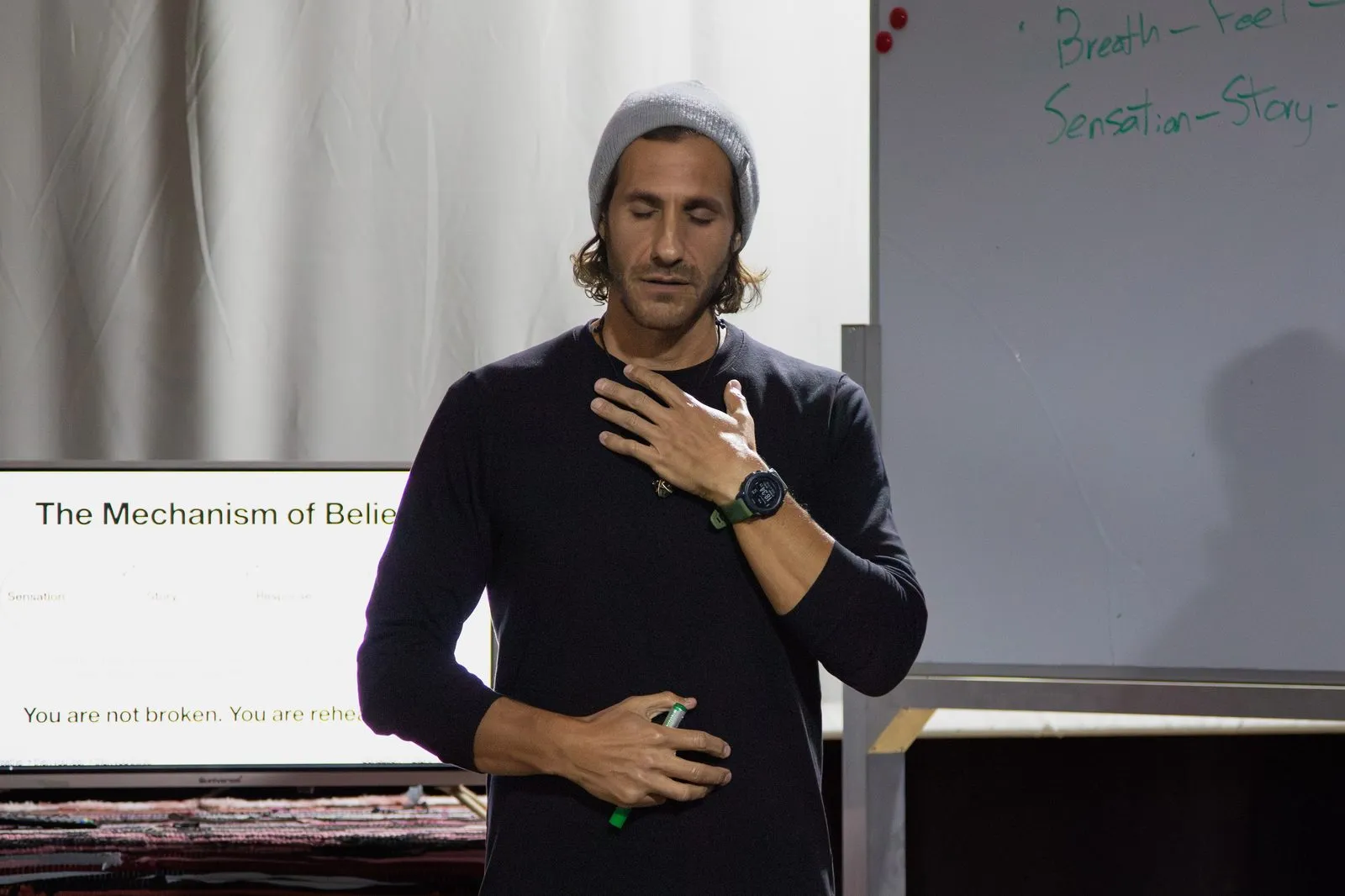
The Practice
A practical way to meet a difficult moment without forcing calm or suppressing what you feel.
Notice how your breathing and physical tension change.
Stay with what is happening before you rush to resist, fix, or explain it.
Notice the thought or impulse that follows. Practise a response that reflects how you want to show up.
The aim is to recognize more of what is happening while there is still room to respond.
Ask About CoachingWhere the Work Becomes Real
Stay with the task you trained for when nerves or discomfort rise.
Make room to answer criticism without rushing or withdrawing.
Notice when a familiar exchange is turning into an argument and choose what to say next.
How Coaching Works
You do not need to understand your nervous system before you begin. Bring a situation you wish you had handled differently, or one you know is coming.
Explore what happened in your breath and body, what you felt, what your mind made of it, and what you did next.
Turn what you notice into a breath and awareness practice you can try in your life or training.
Bring back what happened. Together, we adjust the practice around your experience.
About Aaron
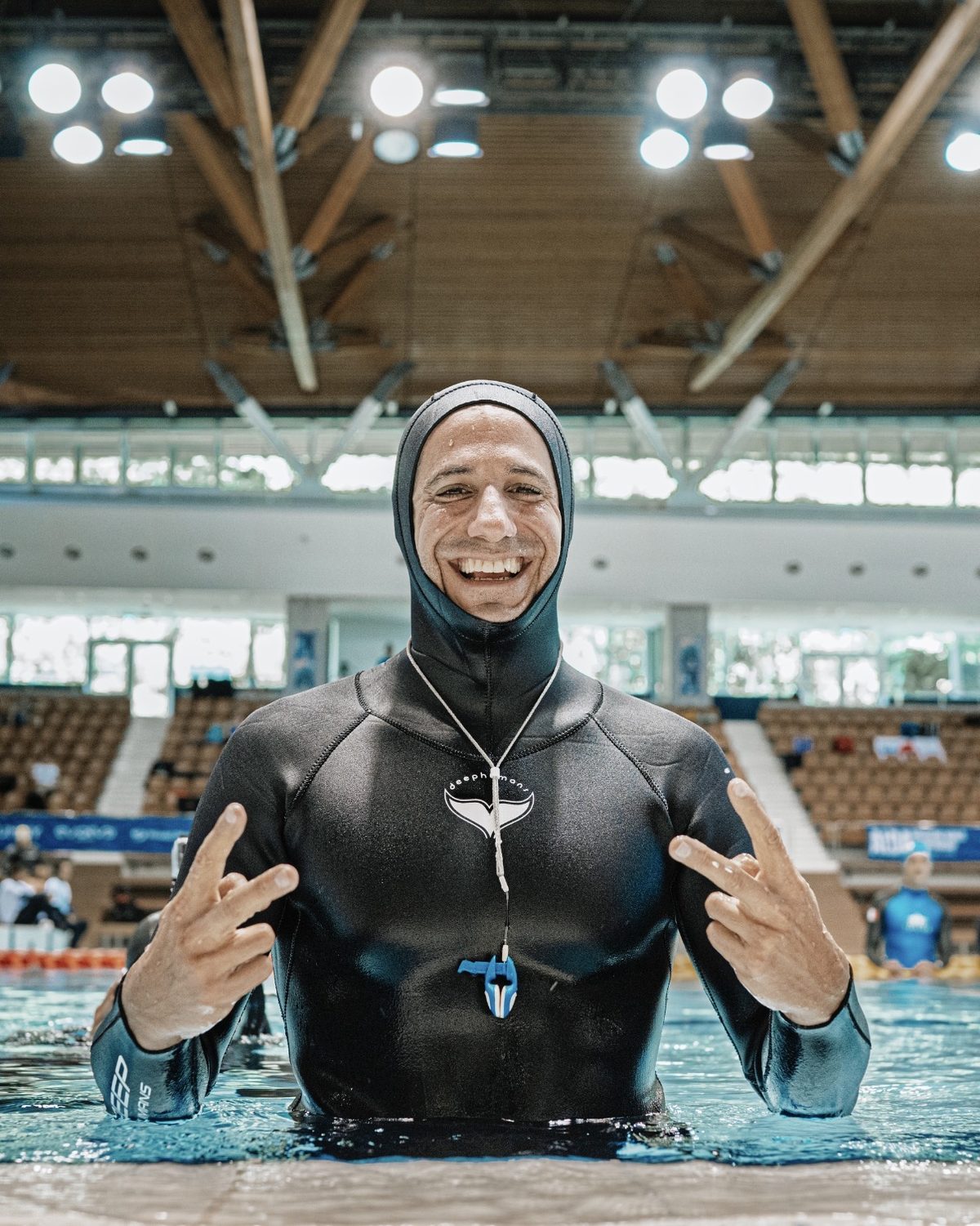
Aaron Fisher · 8× Canadian National Record Holder in Static Apnea
That training taught me to pay close attention to urgency in the body, and to the thoughts and impulses that can follow it.
That experience shaped this work: helping people notice their patterns without judgment and practise how they want to respond. I work with athletes, professionals, and people who want to meet everyday life differently.
“It’s made a difference in my relationships, my business, my family, and my overall mental well being. I don’t just understand the concepts intellectually. I can actually feel what’s happening in my body.”
“After working with Aaron, I learned so much about the sensations in my body, my breath, and how they show up across every part of my life. He gave me a way to gain awareness and use it to live better.”
“I had heard people talk about regulating the nervous system, but I never really understood what it meant or how to do it. Aaron gave me a practical framework that finally made it make sense.”
“I never saw the connection between psychology, therapy, and everything I had been through, and what this work is really about. Now I do, and I have applied it to my own life.”
“Thanks to the work I’ve been doing in static this year with Aaron, I fully enjoyed every second of the process, and I learned to wait until my body said yes.”
“My relationship with contractions and static has completely changed. I can picture it in a different way now.”
1 of 6 · Simon · Italy
Individual client experiences. Your coaching will be shaped around you.
Ask About CoachingWays to Work Together
Four weeks for one situation you can name, or twelve weeks for a pattern that keeps returning. Both are online, one-to-one, and shaped around you.
Looking for coaching for a business, team, or other group? Explore Group & Workplace Coaching.
Recommended Starting Point
For One Situation You Can Name
Work with one recurring situation and build a practice you can use now.
Choose this whenYou can name the moment and want focused support as you practise a different response.
More Time to Integrate
For a Pattern That Keeps Returning
Work with a pattern that shows up in several parts of your life.
Choose this whenYou want time to practise, review, and adjust across different situations.
No breathwork or freediving experience is needed. Coaching is educational and reflective; it does not diagnose or treat a medical or mental health condition.
For Teams & Organisations
For businesses, corporate teams, sports clubs, and other groups who want to work with pressure, attention, and response together. Sessions combine clear explanation, guided practice, and reflection around the situations your people actually face.
Prefer to Start by Observing?
Eight questions help you notice the strategy you tend to use when pressure rises. Your result gives you a practical place to begin. It is a reflection, not a diagnosis, label, or identity.
No right answers. You can choose to receive the full reading and a small practice by email.
The Next Step
Tell me about a moment, pattern, or goal you want to explore. I read every enquiry personally. If coaching looks like a fit, I will invite you to choose a conversation time.
A few questions will help me understand what brings you here and whether the coaching is a good fit.
Continue to the Questionnaire